


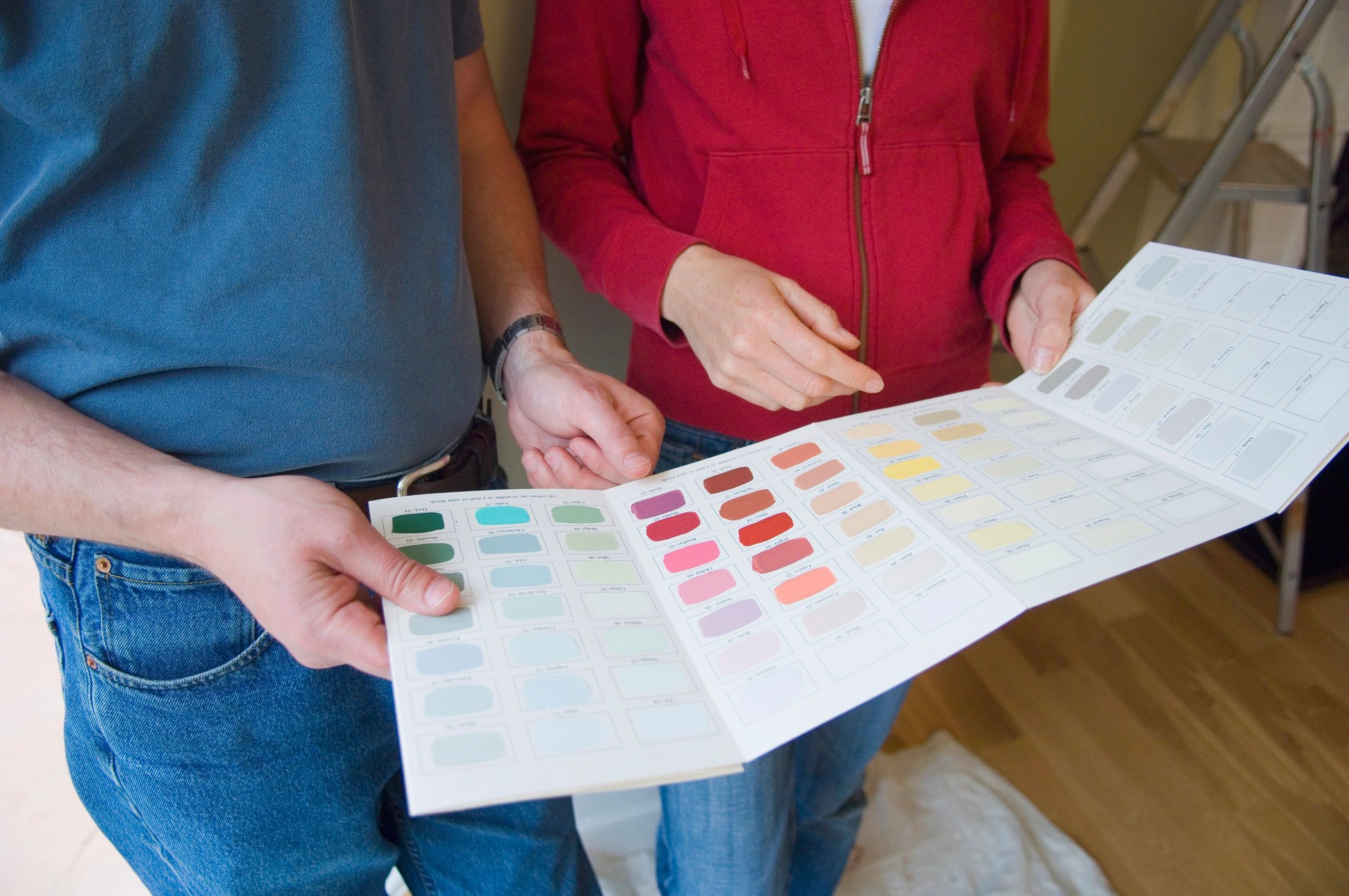
Why Your Paint Choice Matters More Than You Think
A fresh coat of paint transforms a space—but only if you choose the right type. Whether refreshing interior walls or tackling exterior surfaces, paint selection impacts durability, aesthetics, and long-term maintenance. In regions with fluctuating weather—from humid summers to dry winters—using the appropriate product ensures longevity on siding, trim, and stucco. Inside the home, high-traffic areas like kitchens and hallways benefit from scrubbable, moisture-resistant finishes, while living rooms and bedrooms call for finishes that enhance light and comfort.
Understanding the role of paint sheen, latex vs. oil-based formulations, and color psychology helps align your choice with function and mood. Flat finishes hide imperfections but aren’t ideal for wet areas, while semi-gloss adds durability in bathrooms and kitchens. Exterior projects demand UV resistance and flexibility to handle expansion and contraction in materials like wood, stucco, and fiber cement.
This guide dives into how to match paint types to surfaces, lighting, and climate conditions—especially for homes in Southern California and similar climates. You’ll learn to decode labels, prep surfaces properly, and avoid common pitfalls that lead to peeling, fading, or uneven coverage. With the right approach, your paint project won’t just look professional—it will last.
6 Essential Paint Finishes and Where to Use Them in Your Home
Choosing the right paint finish can dramatically impact both the look and longevity of your walls. Each finish offers unique benefits, from durability to light reflection, making some better suited for certain rooms than others. Here’s a breakdown of the six most common paint finishes and their ideal applications throughout your home.
Flat/Matte – Best for Low-Traffic, High-Style Spaces
This non-reflective finish provides a smooth, elegant look and is excellent at hiding wall imperfections. Ideal for living rooms, dining rooms, and adult bedrooms in Southern California homes where natural light is abundant. However, avoid using it in high-moisture or high-touch areas, as it’s not washable.Eggshell – The Balanced Choice for Common Areas
With a slight sheen, eggshell resists stains better than flat and can handle light cleaning. It’s perfect for family rooms, hallways, and dining areas in homes from Pasadena to Santa Monica, offering durability without highlighting flaws.Satin – Ideal for Kids’ Rooms and Kitchens
Satin finishes offer a soft gloss, excellent washability, and resistance to moisture—making them a go-to for kitchens, bathrooms, and children’s bedrooms across California households.Semi-Gloss – The Go-To for Trim and High-Moisture Zones
Known for its durability and easy wipe-down surface, semi-gloss shines in bathrooms, kitchens, and on doors and baseboards. Its reflective surface enhances light in smaller spaces like powder rooms.Gloss – Maximum Durability for High-Use Surfaces
Highly reflective and tough, gloss finish is best for cabinetry, built-ins, and accent walls that demand attention. Use sparingly in living areas due to its tendency to highlight imperfections.Primer + Specialty Finishes – For Problem Surfaces and Renewals
Use tinted primers or specialty paints on patched drywall, smoke-damaged walls, or exterior stucco common in coastal homes. These ensure better adhesion and long-term protection against moisture and sun exposure.
Mastering Color Harmony: Match Your Home’s Style & Light
Choosing paint colors isn’t just about personal preference—it’s about creating balance with your home’s architecture and natural lighting. Start by identifying your home’s architectural style, whether it’s modern, farmhouse, craftsman, or Mediterranean, as each has a signature palette. Modern homes thrive with monochromatic schemes and bold accents, while traditional styles often benefit from warm neutrals and rich, historical hues.
Next, observe how sunlight moves through your space. North-facing rooms receive cool, muted light, so warm paint tones like creamy beige or soft terracotta can add balance. South-facing areas with abundant sunlight can handle cooler shades like sage green or pale gray without feeling sterile. For east-facing rooms with morning light, consider soft blues or warm whites that enhance the gentle glow. West-facing spaces get intense afternoon sun, making balanced neutrals or deeper saturated colors ideal for evening warmth.
Test colors on large swatches across multiple walls and view them at different times of day. Sheer daylight reveals true undertones, while evening lighting can shift perception. In regions like Southern California, where natural light is strong and consistent, lighter reflective finishes help manage heat and brightness. Always consider exterior finishes too—your front door, trim, and siding should harmonize with your chosen palette to create cohesive curb appeal.
Prioritizing Performance: Durable, Washable, and Sustainable Paint Choices
When refreshing your interior or exterior spaces, selecting paint that stands up to wear, resists stains, and supports a healthier environment is essential—especially in high-traffic areas like kitchens, bathrooms, and children’s play zones. Durability begins with sheen: satin and semi-gloss finishes offer superior resistance to scuffs, moisture, and repeated cleaning compared to flat or matte options. For families in Southern California homes where sunlight and smog accelerate paint degradation, choosing a blocking agent-infused formula helps prevent fading and chalking over time.
Washability matters just as much. Look for labels indicating scrubbable or washable performance, which means the paint film can endure frequent wiping with mild soap and water without breaking down. This is particularly vital in homes with pets or young children, where spills and handprints are common.
Eco-conscious buyers should focus on zero-VOC or low-VOC formulations, which release fewer volatile organic compounds, improving indoor air quality and reducing environmental impact. Many modern green paints now match traditional options in coverage and longevity. Pair your selection with a high-build primer for better adhesion and fewer topcoats, cutting down both labor and material waste. Always consider your local climate—coastal areas benefit from mildew-resistant additives, while inland regions may require enhanced UV protection.
Your Top Paint Questions—Answered
What paint sheen should I use in different rooms?
Selecting the right sheen impacts both aesthetics and durability. In high-moisture areas like bathrooms and kitchens, semi-gloss or satin finishes resist mildew and are easy to wipe clean. Living rooms and bedrooms benefit from matte or eggshell sheens, which hide imperfections and create a soft, inviting glow. For trim and doors, semi-gloss adds durability and a slight shine that enhances architectural details. Always consider light exposure—high-sheen paints amplify natural light in Los Angeles homes, making rooms feel brighter.
How much paint do I really need?
Coverage depends on surface texture, color contrast, and paint quality. Most premium paints cover 350–400 square feet per gallon on smooth, primed walls. Rough or porous surfaces may require extra. Always measure your room’s square footage and plan for two coats. A professional painter in Southern California will account for ceiling height and accent walls to avoid mid-project shortages.
Is prep work really necessary?
Absolutely. Skipping prep leads to peeling, uneven texture, and poor adhesion. Clean walls with a mild detergent, repair cracks with spackle, and sand glossy surfaces. In humid coastal areas, moisture-resistant primers prevent blistering.
Can I paint over dark walls with a light color?
Yes, but use a high-hiding primer or tinted base first to reduce the number of topcoats.
What’s the best way to apply paint?
Use a high-quality brush for edges and a roller with the right nap thickness—1/4 inch for smooth walls, 3/8–1/2 inch for textured surfaces. Maintain a wet edge to prevent lap marks.
How long should I wait between coats?
Most latex paints dry to the touch in 1–2 hours, but wait 4 hours for full cure before a second coat—especially in cooler, humid microclimates common in areas near the Pacific coast.
Your Next Steps to Confidently Transform Every Room
Choosing the right paint goes beyond just picking a shade you love — it’s about balancing durability, finish, application method, and environmental factors to achieve long-lasting, beautiful results. Whether you’re refreshing a bedroom in Los Angeles or revitalizing a commercial space in Orange County, understanding sheen levels, paint types, and surface preparation ensures your project stands up to daily wear and local climate conditions.
Remember, high-traffic areas benefit from semi-gloss or satin finishes for easy cleaning, while matte paints brilliantly hide imperfections in low-moisture zones. Always factor in natural light exposure, especially in sun-drenched Southern California homes, where UV rays can fade lower-quality pigments over time.
Before you buy, pull samples and test them on multiple walls, observing how they change from morning to evening. Invest in professional-grade tools and primers — they make a measurable difference in coverage and adhesion.
Now, take action: create a room-by-room plan outlining your desired aesthetics, maintenance needs, and product specs. Prepare surfaces properly — clean, patch, and prime. Your attention to detail today ensures a flawless finish that enhances curb appeal and interior comfort for years.
Make your next paint project the one that truly transforms not just walls, but how you experience your space.